Why Batteries Fail More Often in Winter
Cold temperatures slow the chemical reaction inside your battery, reducing its strength by up to 35%. Add heaters, lights, defrosters, and electrical accessories, and even newer batteries can struggle to deliver enough power.
How the Electrical System Works
Battery: Supplies starting power.
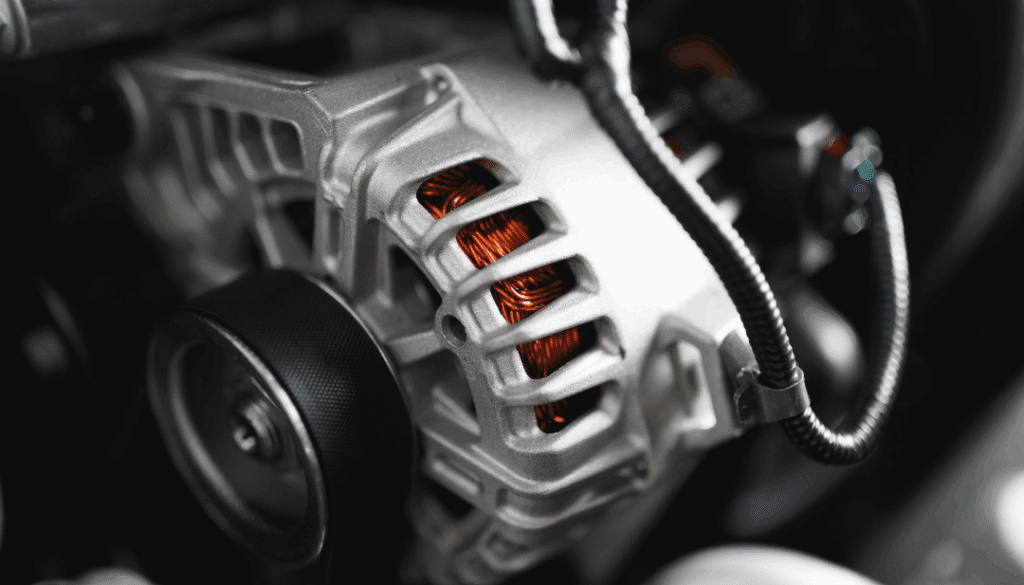
Alternator: Recharges the battery and powers electronics.
Starter: Turns the engine over.
Each depends on the other — when one weakens, the whole system suffers.
Warning Signs You Shouldn’t Ignore
- Slow engine cranking
- Dim headlights at idle
- Battery or charging light on
- Burning smell or corrosion around terminals
- Clicking noise during startup
Why It Matters in Birmingham
Humidity, cold snaps, and short commutes prevent the alternator from fully recharging the battery. Combined with winter power demands, this leads to weakened starts.
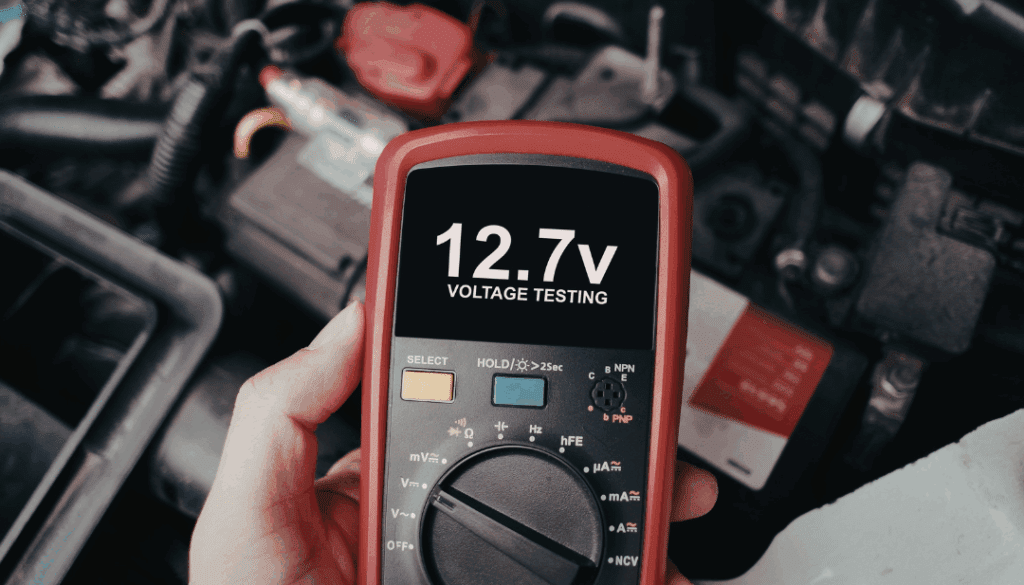
Our Battery & Charging System Check Includes
- Load testing for battery health
- Alternator output and belt inspection
- Terminal cleaning
- Starter draw test
- Digital voltage report
Maintenance Recommendations
- Test your battery every 6 months
- Replace older batteries (4+ years)
- Keep terminals clean and tight
- Limit short trips in winter
Cost of Delaying Service
Weak batteries cause system faults, no-start events, and can damage sensitive modules. Early testing prevents breakdowns and towing.
Why Choose Auto Repair 74
- OEM batteries
- Certified diagnostics
- 12,000-mile warranty
- Convenient location near UAB
- Fast turnaround
FAQs
Why does my car struggle to start on cold days?
Cold reduces voltage and cranking amps.
Can jump-starting damage my car?
If done incorrectly — yes.
How do I know if my alternator is failing?
Flickering lights or a glowing battery icon during driving.