Why Winter Driving Demands Better Brakes and Tires
December brings cold rain, slick pavement, and increased highway travel. Whether you’re commuting downtown or driving across Alabama to visit family, your brakes and tires play the biggest role in winter safety.
How Brakes and Tires Work Together
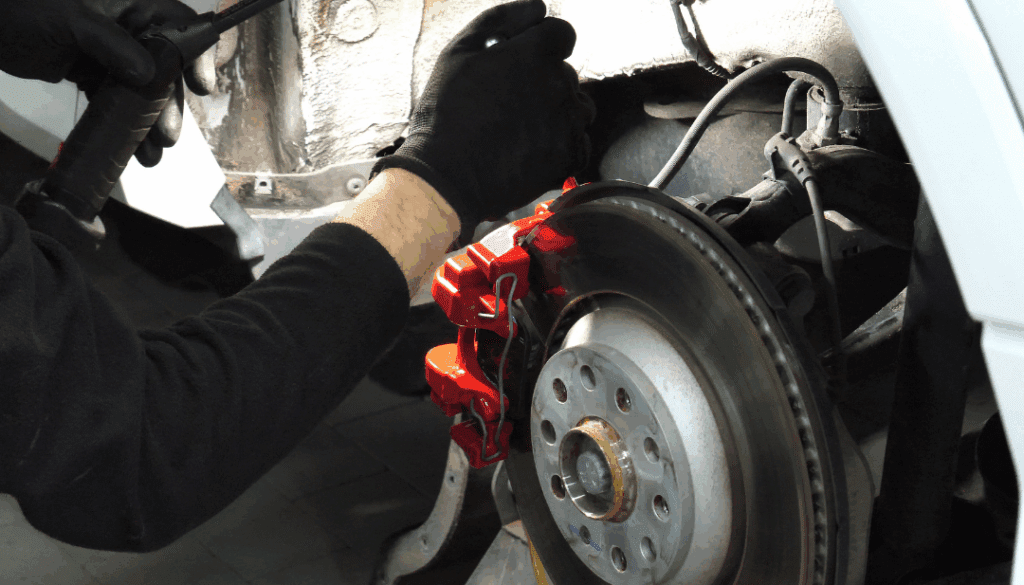
Brakes: Pads clamp against rotors to slow the wheels.
Tires: Grip the road and translate braking force into traction.
If either system is weak, stopping distance increases significantly.
Warning Signs You Need Service
- Squealing, grinding, or vibration when braking
- Spongy or soft pedal
- Vehicle pulling when stopping
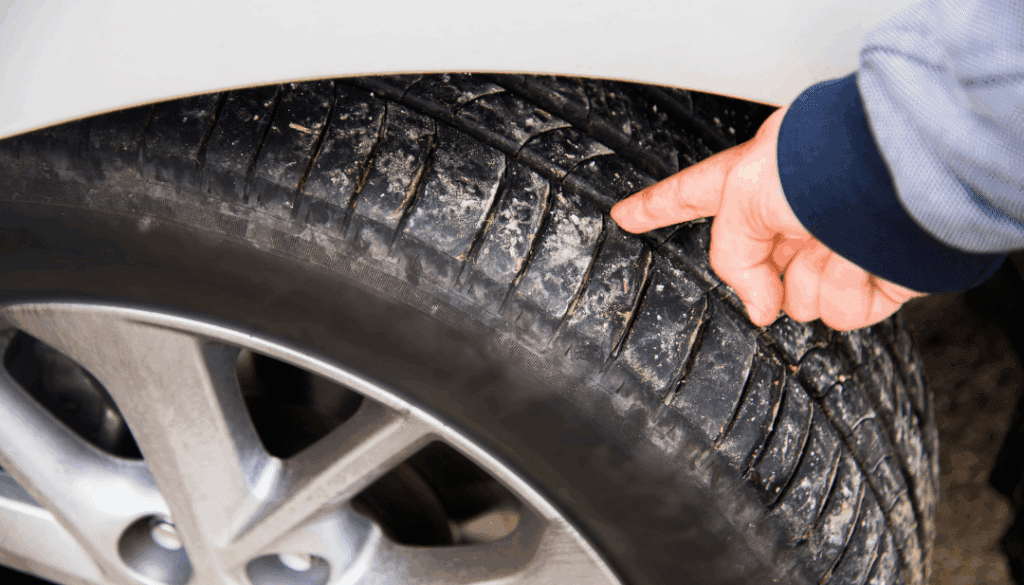
- Uneven tire wear or tread below safe levels
- Low tire pressure warning
Why This Matters in Alabama
Winter rain mixes with oil and road dust, creating slick surfaces. Cold air also reduces tire pressure, lowering traction and damaging sidewalls.
Our Brake & Tire Check Includes
- Pad and rotor measurement
- Brake fluid condition testing
- Tire tread depth and pressure adjustment
- Rotation and alignment verification
- Road test for brake balance and steering response
Maintenance Recommendations
- Inspect brakes at every oil change
- Rotate tires every 6,000–8,000 miles
- Check pressure monthly
- Replace tires below 3/32″ tread
Cost of Ignoring Brake or Tire Issues
Delaying repairs can lead to brake fade, hydroplaning, tire blowouts, or alignment-related steering problems.
Why Choose Auto Repair 74
- ASE-certified technicians
- Premium brake and tire components
- 44-Point Digital Inspection
- 12-month / 12,000-mile warranty
- Located at 2100 3rd Ave S, Birmingham, AL
FAQs
Why do brakes squeal in winter?
Moisture causes temporary noise, but persistent squeal indicates wear.
Are winter tires necessary in Alabama?
Not typically, but good tread depth is crucial.
What causes uneven tire wear?
Improper alignment or worn suspension components.