Buying a used car is a significant investment that requires more than just a test drive and a good feeling about the vehicle.
Smart buyers conduct thorough pre-purchase inspections to avoid inheriting someone else’s problems.
A comprehensive used car inspection reveals hidden issues, prevents costly surprises, and gives you confidence in your purchase decision. If you’re shopping for a used vehicle in Birmingham or nearby areas like Hoover, Vestavia Hills, Homewood, Mountain Brook, or Irondale, knowing what to check protects your investment.
Why Pre-Purchase Inspection Matters
Many buyers skip professional inspections to save money, then spend thousands fixing problems they didn’t see coming.
Statistics show:
- 30-40% of used cars have undisclosed mechanical issues
- Hidden problems average $1,500-3,000 in unexpected repairs
- Professional inspections cost $150-300 but save thousands
- Buyers who skip inspections average 2x more problems in first year
A professional pre-purchase inspection is the cheapest insurance you can buy when purchasing a used vehicle.
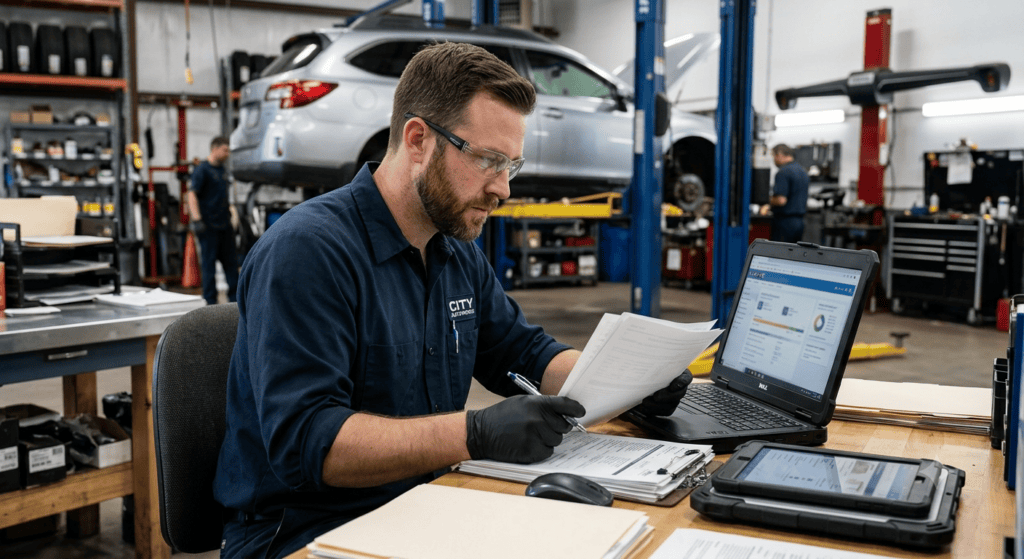
Step 1: Check the Vehicle History Report
Before physically inspecting any car, review its complete history.
Accident history:
- Any reported collisions
- Severity of accidents
- Airbag deployment
- Structural damage
- Frame damage
Ownership history:
- Number of previous owners
- Length of ownership periods
- Geographic locations
- Commercial vs. personal use
- Rental or fleet use
Title status:
- Clean title vs. salvage/rebuilt title
- Lemon law buybacks
- Flood damage designation
- Odometer rollback indicators
- Liens or ownership disputes
Service records:
- Regular maintenance performed
- Pattern of repairs
- Warranty information
- Recalls completed
Tools to use:
- CARFAX report
- AutoCheck report
- Manufacturer recall database
- Local DMV title check
Step 2: Visual Exterior Inspection
The car’s exterior tells a story about its maintenance and history.
Paint and body:
- Look for repainted sections
- Check for paint overspray on glass/trim
- Examine panel gaps for uneven spacing
- Look for rust or corrosion
- Check for dents, dings, or damage
- Inspect for water damage lines
- Look under trim and moldings for rust
Glass and lights:
- Check windshield for cracks
- Examine all windows for damage
- Test all exterior lights function
- Look for rust around light housings
- Check for moisture inside headlights
- Verify all lights work properly
Tires:
- Check tread depth (minimum 4/32″)
- Look for uneven wear patterns
- Examine sidewalls for cracks/bulges
- Check all four tires for damage
- Note if tires match or mismatched
- Verify tire age (5+ years = replacement soon)
- Look for patches or repairs
Undercarriage:
- Inspect suspension components
- Look for rust or corrosion
- Check brake lines and hoses
- Examine exhaust system
- Look for fluid leaks
- Check for damage from road hazards
Step 3: Interior Inspection
The interior reveals how the previous owner treated the vehicle.
Seats and upholstery:
- Check for tears or excessive wear
- Look for stains or odors
- Examine seatbelt function
- Check seat adjustments work
- Look for water damage or mold
- Verify all seats are intact
Dashboard and controls:
- Test all dashboard warning lights
- Verify all gauges work
- Check steering wheel condition
- Test all controls and switches
- Look for cracks in dashboard
- Examine airbag condition
- Check sun visor condition
Carpets and trim:
- Look for stains or odors
- Check for water damage
- Examine floor mats
- Look for mold or mildew
- Check trunk/cargo area condition
- Examine spare tire presence and condition
Smells to investigate:
- Musty odors indicate water damage/mold
- Burning smells indicate electrical/engine problems
- Overpowering air freshener masks odors
- Cigarette smell indicates smoking vehicle
- Transmission fluid smell indicates leaks
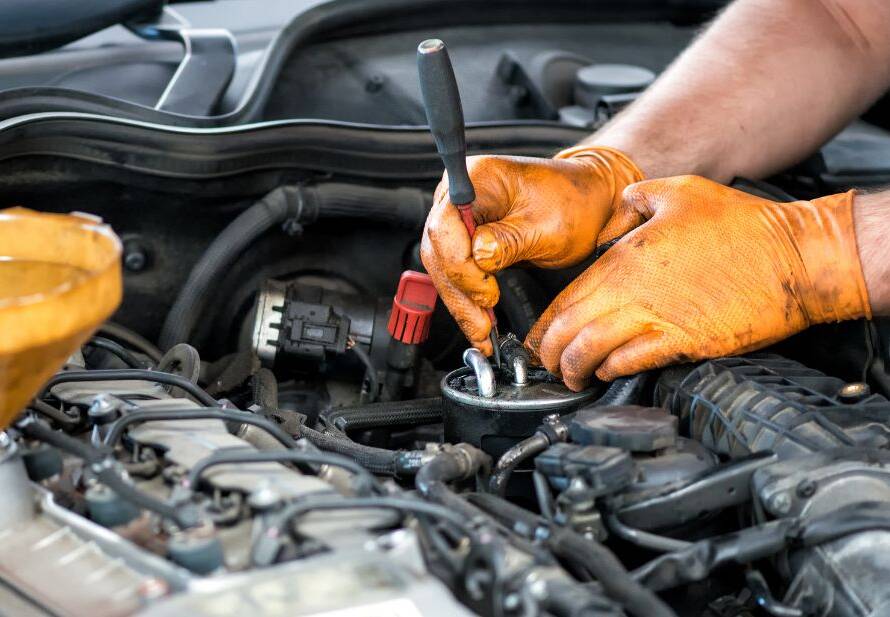
Step 4: Engine Bay Inspection
The engine bay reveals the vehicle’s mechanical condition.
Fluids and levels:
- Check oil level and condition (should be brown/black, not milky)
- Check coolant level and condition
- Check transmission fluid level
- Check brake fluid level and condition
- Check power steering fluid
- Look for evidence of leaks
Hoses and belts:
- Inspect all visible hoses for cracks
- Check belt condition and cracks
- Look for leaking hose connections
- Verify hose clamps are secure
- Check for dried/cracked rubber
Wiring and connections:
- Look for corroded battery terminals
- Examine wire connections
- Check for broken or cracked wiring
- Look for signs of amateur repairs
- Verify all connections are tight
Engine condition:
- Look for rust or corrosion
- Check for obvious leaks
- Examine spark plug condition (if visible)
- Look for evidence of overheating
- Check for damage or poor repairs
- Verify engine bay cleanliness
Step 5: Test Drive Inspection
The test drive reveals performance issues that aren’t visible in inspection.
Before starting:
- Listen for unusual sounds
- Observe startup smoothness
- Check dashboard warning lights
- Verify all controls accessible
Acceleration test:
- Accelerate gradually
- Listen for knocking or pinging
- Feel for smooth power delivery
- Check for hesitation
- Verify smooth shifting
- Monitor temperature gauge
Braking test:
- Test brakes from various speeds
- Feel for soft or spongy pedal
- Check for vibration during braking
- Listen for unusual sounds
- Verify anti-lock brake function
Steering test:
- Feel for smooth steering response
- Check for pulling to one side
- Test power steering function
- Feel for vibration in wheel
- Verify responsive handling
Noise and vibration:
- Listen for engine knocking
- Check for transmission noise
- Feel for vibrations
- Listen for exhaust issues
- Note any rattles or squeaks
Cornering and handling:
- Test turning radius
- Feel suspension response
- Check for body roll
- Verify tire grip
- Listen for noise during turns
Step 6: Professional Inspection
Always have a professional mechanic inspect used cars before purchase.
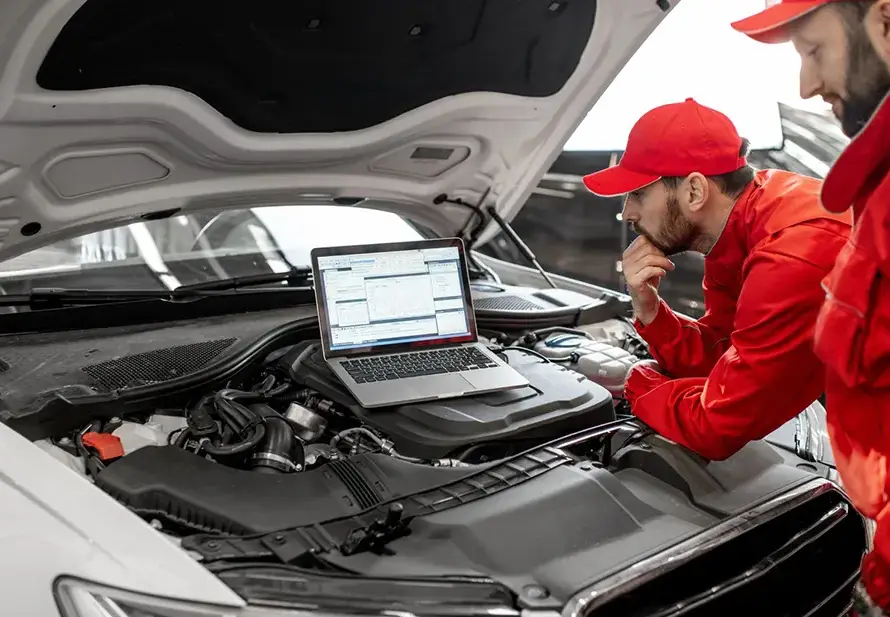
What professionals check:
- Complete diagnostic scan
- Compression testing
- Brake system testing
- Suspension inspection
- Electrical system testing
- Air conditioning function
- Transmission fluid analysis
- Coolant condition testing
- Battery load testing
- Exhaust gas analysis
Why professionals matter:
- Catch hidden mechanical problems
- Identify repair needs and costs
- Verify accident damage history
- Assess remaining lifespan
- Identify safety issues
- Provide written inspection report
- Give peace of mind for purchase
Red Flags That Indicate Problems
Major red flags:
- Multiple warning lights on
- Obvious fluid leaks
- Engine knock or severe noise
- Soft or non-responsive brakes
- Steering problems or pulling
- Transmission slipping or delay
- Smoke or burning smells
- Crash damage visible
- Title issues or liens
- Mismatched VIN numbers
When to walk away:
- Any salvage/rebuilt title
- Lemon law buyback
- Hidden frame damage
- Flood damage designation
- Multiple previous owners
- Major accident history
- Professional inspection reveals major problems
- Seller unwilling to allow inspection
- Odometer mileage seems inconsistent with wear
- Obvious maintenance neglect
Negotiating Based on Inspection
Use inspection findings as leverage for price negotiation.
Use findings to:
- Reduce asking price for needed repairs
- Request seller complete repairs before sale
- Request warranty or guarantee
- Establish baseline for negotiations
- Document all agreements in writing
- Get written commitment for seller repairs
Document everything:
- Get inspection report in writing
- Photo-document all issues
- Email seller inspection results
- Get written responses
- Document all agreements
- Keep copies of everything
Conclusion
Buying a used car without proper inspection is like buying a house without a home inspection.
A comprehensive pre-purchase inspection protects your investment and prevents costly surprises.
Review vehicle history, conduct thorough visual inspections, test drive systematically, and always have a professional mechanic inspect before purchase.
The time and money invested in inspection prevents expensive problems and gives you confidence in your purchase.
When shopping for used vehicles in Birmingham or nearby areas, never skip the inspection step—it’s the single best investment you can make.