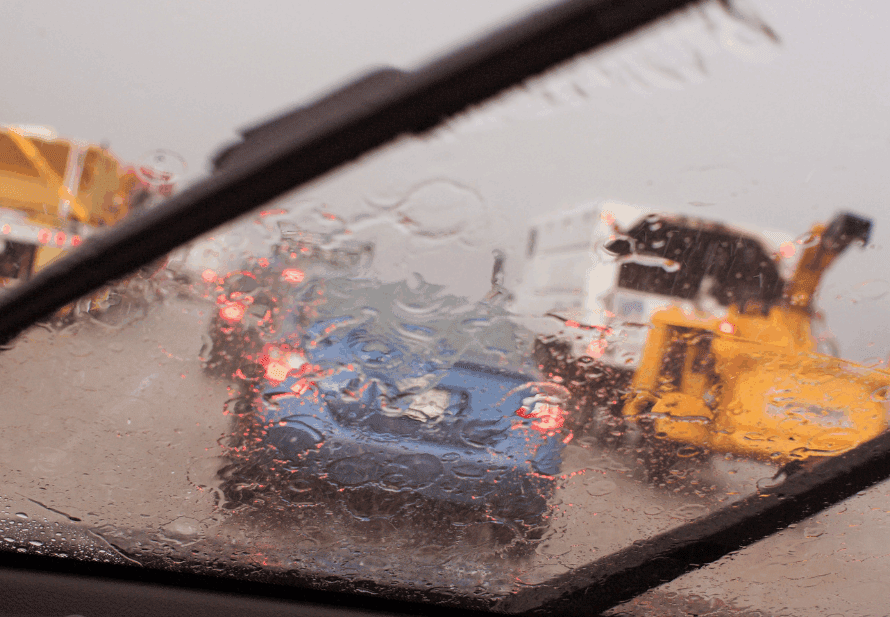
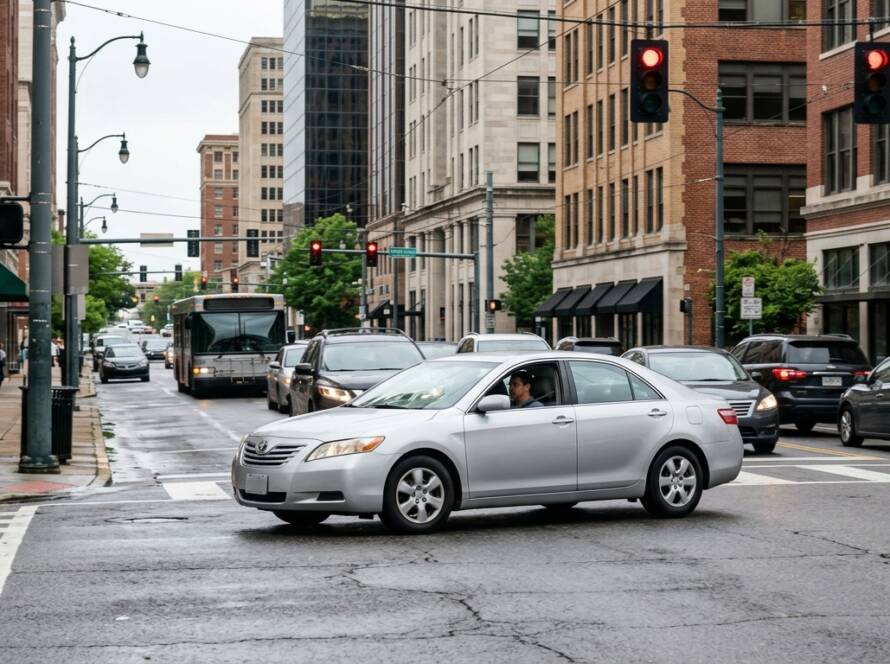
Birmingham’s unique driving conditions create specific automotive challenges that differ from other regions. Understanding the most common problems that Birmingham drivers experience helps you anticipate issues and maintain your vehicle preventatively. Heat, humidity, traffic patterns, and road conditions all contribute to wear and tear specific to our area.
Problem #1: AC System Failures
Birmingham’s intense heat and humidity put tremendous strain on air conditioning systems.
Why AC fails in Birmingham:
- Extreme summer temperatures above 95°F
- High humidity reducing AC efficiency
- Constant air conditioning usage
- Refrigerant leaks from thermal stress
- Compressor burnout from overuse
Warning signs:
- Weak cooling performance
- Strange noises from AC compressor
- Warm air from vents
- Burning smell from AC system
- Fluid leaks under vehicle
Prevention:
- Annual AC system inspection
- Keep refrigerant levels checked
- Clean or replace cabin air filters
- Service compressor regularly
- Run AC system even in winter to keep components lubricated
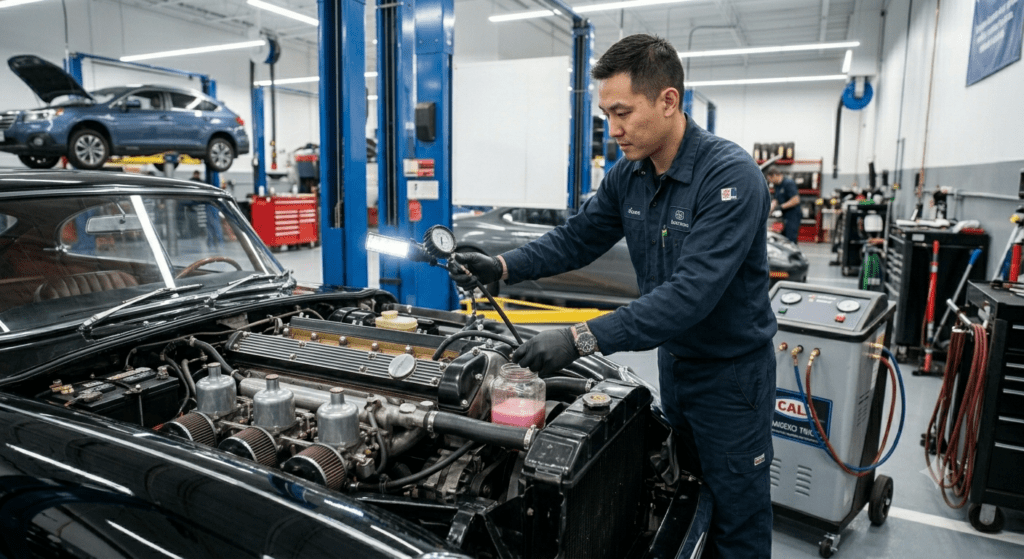
Problem #2: Battery Degradation
Birmingham’s heat significantly shortens battery life compared to cooler regions.
Why batteries fail faster here:
- Extreme heat causes faster chemical degradation
- High temperatures reduce battery capacity
- Moisture and humidity accelerate corrosion
- Constant charging cycles in traffic
- Sulfation occurs faster in heat
Warning signs:
- Slow engine cranking
- Difficulty starting in morning
- Dashboard battery warning light
- Corroded battery terminals
- Battery age over 3 years
Prevention:
- Replace battery every 3-4 years in Birmingham (vs. 5+ years elsewhere)
- Keep battery terminals clean and corrosion-free
- Check battery health annually
- Ensure proper battery secure mounting
- Have battery tested when temperature changes
Problem #3: Radiator and Cooling System Issues
The constant need for cooling makes radiator problems common.
Why cooling systems fail:
- Extreme heat causes coolant breakdown
- Thermostat sticking from mineral deposits
- Water pump wear from continuous operation
- Radiator clogs from sediment buildup
- Hose deterioration from heat exposure
Warning signs:
- Engine overheating warning light
- Temperature gauge running hot
- Coolant leaks under vehicle
- Sweet smell near engine
- White smoke from under hood
- Loss of coolant without visible leaks
Prevention:
- Flush coolant system every 2-3 years
- Inspect hoses for cracks and deterioration
- Replace thermostat proactively
- Use proper coolant type for your vehicle
- Monitor coolant level monthly
- Have cooling system tested annually
Problem #4: Transmission Problems
Birmingham’s stop-and-go traffic and heat create transmission stress.
Why transmissions fail:
- Constant shifting in heavy traffic
- Transmission fluid breakdown from heat
- Fluid leaks from thermal stress
- Torque converter issues from overheating
- Seal failures from temperature cycling
Warning signs:
- Delayed shifting or hard shifts
- Transmission temperature warning light
- Burning smell from transmission
- Transmission fluid leaks
- Loss of power or hesitation
- Whining or grinding sounds
Prevention:
- Change transmission fluid every 30,000-60,000 miles
- Keep transmission cool with proper fluid maintenance
- Avoid towing heavy loads in Birmingham heat
- Have transmission fluid checked monthly
- Use transmission cooler if towing
Problem #5: Brake Wear and Fade
Heavy traffic and hilly terrain accelerate brake deterioration.
Why brakes wear faster:
- Constant braking in traffic congestion
- Riding brakes on hills to maintain speed
- Heat buildup from repeated braking
- Brake fade from thermal stress
- Moisture affecting brake performance
Warning signs:
- Squealing or grinding brakes
- Soft or spongy brake pedal
- Brake warning light
- Burning smell after heavy braking
- Longer stopping distances
- Vibration when braking
Prevention:
- Have brakes inspected every 10,000-15,000 miles
- Use engine braking on hills when possible
- Replace brake fluid every 2-3 years
- Keep adequate distance to avoid constant braking
- Use quality brake pads rated for heat
Problem #6: Tire Problems and Blowouts
Heat and road conditions make tire issues common.
Why tire problems occur:
- Asphalt softens in extreme heat
- Tires overheat and fail
- Road debris and potholes cause flats
- Under-inflation from heat expansion
- Accelerated tread wear
- Sidewall damage from road hazards
Warning signs:
- Low tire pressure warning light
- Visible tread wear or balding
- Sidewall cracks or bulges
- Vibration while driving
- Vehicle pulling to one side
Prevention:
- Check tire pressure monthly (increases in heat)
- Rotate tires every 5,000-7,000 miles
- Maintain proper alignment
- Replace worn tires at 4/32″ tread depth
- Use quality tires rated for heat
- Avoid overloading vehicle
Problem #7: Electrical System Failures
Heat and humidity damage electrical components.
Why electrical systems fail:
- Battery corrosion from humidity
- Alternator burnout from heat
- Wiring insulation deterioration
- Connector corrosion
- Sensor malfunction from moisture
- Water intrusion in electrical components
Warning signs:
- Dashboard lights flickering
- Difficulty starting vehicle
- Battery warning light
- Dim headlights
- Power window or lock failures
- Intermittent electrical problems
Prevention:
- Clean battery terminals regularly
- Keep electrical connections dry
- Have alternator tested annually
- Check wiring for damage
- Address electrical problems immediately
- Keep vehicle clean to prevent moisture buildup
Problem #8: Engine Knock and Detonation
High heat can cause engine knocking problems.
Why engine knock occurs:
- High temperatures promoting premature fuel ignition
- Low-quality fuel breaking down in heat
- Carbon buildup in engine
- Spark timing issues
- Engine running too hot
Warning signs:
- Pinging or knocking sound from engine
- Check engine light illuminated
- Reduced power and performance
- Poor fuel economy
- Rough idle
Prevention:
- Use quality fuel with appropriate octane rating
- Keep engine coolant at proper level
- Have carbon cleaning performed periodically
- Maintain proper spark plug condition
- Use fuel additives to prevent buildup
Problem #9: Air Filter Clogging
Birmingham’s air quality and heat accelerate air filter deterioration.
Why filters clog faster:
- Dust and pollen in Birmingham air
- Industrial air particulates
- Heat accelerating filter material breakdown
- High-mileage driving in traffic
- Poor air quality days
Warning signs:
- Reduced engine performance
- Lower fuel economy
- Dirty air filter visible upon inspection
- Engine hesitation under acceleration
- Check engine light
Prevention:
- Replace engine air filter every 15,000-30,000 miles
- Check air filter every oil change
- Use quality filters rated for Birmingham conditions
- Consider cabin air filter replacement too
- Monitor air quality and adjust accordingly
Problem #10: Rust and Corrosion
Humidity creates rust problems throughout the vehicle.
Why corrosion accelerates:
- High humidity promoting rust formation
- Road salt and chemicals on roads
- Moisture trapping under vehicle
- Brake fluid moisture absorption
- Exposure to industrial air
Warning signs:
- Surface rust on undercarriage
- Rust spots on paint
- Corroded battery terminals
- Rust on suspension components
- Paint bubbling or peeling
Prevention:
- Wash vehicle regularly to remove salt and chemicals
- Wax vehicle every 3-6 months
- Undercarriage rinse after winter/salt exposure
- Keep vehicle in covered parking when possible
- Address paint damage immediately
Seasonal Considerations for Birmingham Drivers
Summer (June-August):
- AC and cooling system problems peak
- Tire issues increase
- Battery stress heightened
- Fluid levels evaporate faster
Spring (March-May):
- Pollen increases filter clogging
- Moisture causes corrosion
- Rain and humidity accelerate rust
- Temperature fluctuations stress components
Fall (September-November):
- Cooling demands decrease gradually
- Prepare for winter driving
- Check brakes for winter readiness
- Fluid levels stabilize
Winter (December-February):
- Rare in Birmingham but occasional cold snaps occur
- Battery performance decreases in cold
- Thick oil in cold temperatures
- Moisture increases in garage
Preventative Maintenance Schedule for Birmingham Climate
Monthly:
- Check all fluid levels
- Inspect tire pressure
- Test all warning lights
- Check battery terminal condition
Every 3 months or 3,000 miles:
- Oil and filter change
- Tire rotation
- Fluid top-offs as needed
Every 6 months:
- AC system inspection
- Battery health check
- Cooling system flush preparation
- Brake system inspection
Annually:
- Full vehicle inspection
- Transmission fluid check
- Coolant flush (every 2-3 years)
- Brake system evaluation
Conclusión
Birmingham’s unique climate and driving conditions create specific automotive challenges. Understanding the most common problems—AC failures, battery degradation, cooling system issues, transmission problems, brake wear, tire issues, electrical failures, and corrosion—helps you maintain your vehicle proactively. By following a preventative maintenance schedule tailored to Birmingham’s climate, you can avoid expensive repairs and keep your vehicle reliable.