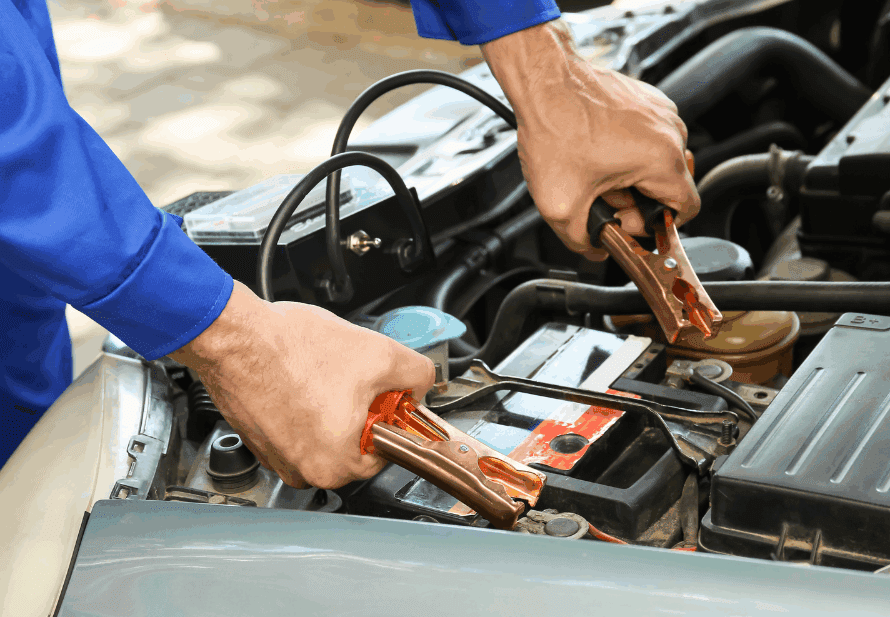
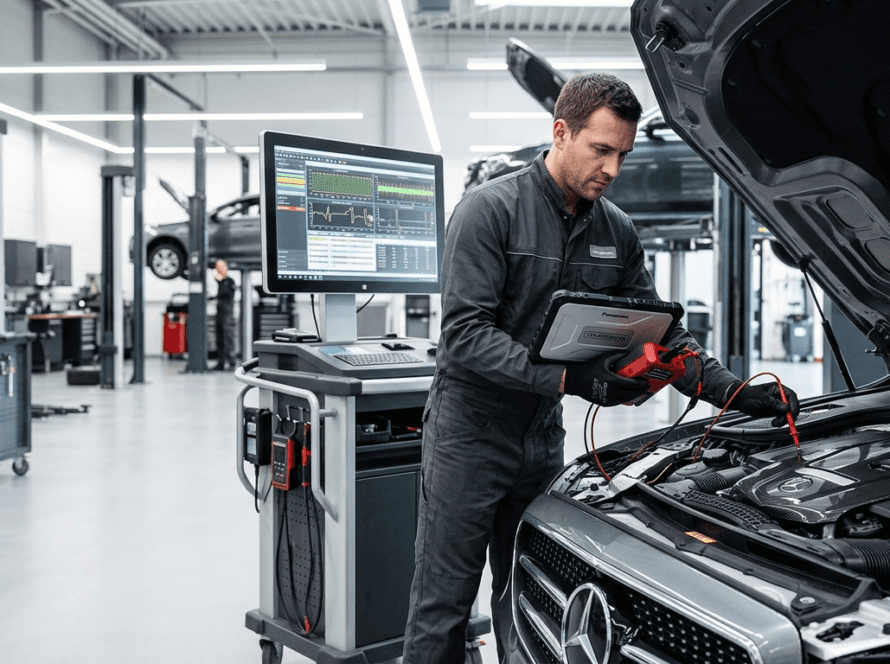
One of the biggest frustrations car owners face is being recommended repairs they don’t actually need. Unscrupulous repair shops often suggest expensive services to boost their profits, leaving customers overspending on unnecessary work. The good news? You can protect yourself by understanding common upselling tactics and knowing how to identify repairs that are truly necessary.
Red Flag #1: Immediate Expensive Repairs Without Diagnosis
When a shop recommends expensive repairs without performing a thorough diagnosis, that’s a warning sign.
Legitimate diagnosis includes:
- Comprehensive computer scanning
- Physical inspection of components
- Clear explanation of findings
- Multiple solution options
- Honest priority assessment
Be suspicious when shops:
- Push expensive repairs immediately
- Skip diagnostic procedures
- Don’t explain the problems clearly
- Refuse to discuss alternatives
- Create artificial urgency
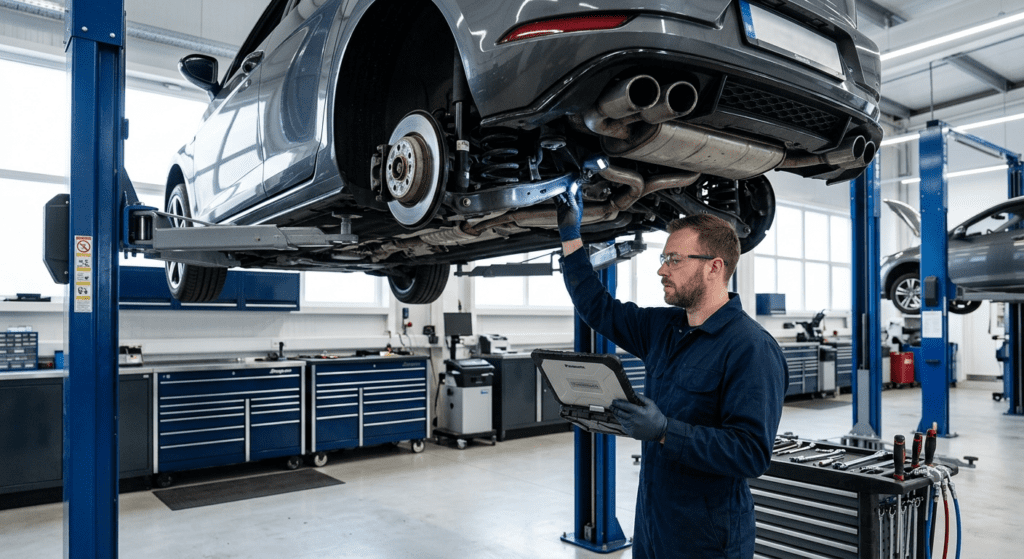
Red Flag #2: Replacing Parts That Only Need Cleaning
Some shops recommend part replacement when cleaning or repair would suffice.
Examples of unnecessary replacement:
- Fuel injectors that need cleaning instead of replacement
- Sensors that can be cleaned instead of replaced
- Batteries that need charging instead of replacement
- Air filters that can be reused instead of replaced
Ask these questions:
- Can this part be repaired instead of replaced?
- Is replacement absolutely necessary?
- What would happen if we delay this repair?
- Can we clean or service this instead?
Red Flag #3: Upselling Services You Didn’t Ask About
While some recommendations are legitimate, aggressive upselling is a red flag.
Suspicious patterns:
- Every visit brings new recommended services
- You’re told «while we’re in there» for multiple unrelated repairs
- Services are recommended without inspection
- Prices are higher than industry standard
- You feel pressured to decide immediately
Legitimate recommendations:
- Based on inspection findings
- Prioritized by urgency
- Clearly explained with reasons
- Offered without pressure
- Aligned with manufacturer maintenance schedules
Red Flag #4: Vague Problem Descriptions
When shops can’t clearly explain what’s wrong with your vehicle, that’s suspicious.
Vague descriptions include:
- «Your engine is tired and needs work»
- «Your transmission might fail soon»
- «Your suspension needs everything replaced»
- «You should do the premium service package»
Clear descriptions include:
- Specific component identification
- Specific problem explanation
- Detailed repair procedure
- Exact cost breakdown
- Timeline for completion
Red Flag #5: Refusing Second Opinions
Shops that discourage second opinions may be hiding something.
Warning signs:
- «You don’t need another opinion, trust us»
- «Taking your car elsewhere will cause problems»
- «Other shops don’t have our equipment»
- «We’re the only ones who can fix this»
Honest shops:
- Encourage second opinions
- Provide clear documentation of findings
- Welcome additional diagnostic input
- Aren’t threatened by customer caution
- Want customers who trust their work
How to Verify Recommended Repairs
1. Ask for written documentation:
- Diagnostic scan results
- Inspection photos
- Detailed repair estimate
- Warranty information
2. Research the recommendations:
- Check if repairs match typical maintenance schedules
- Look up similar problems online
- Review if the cost seems reasonable
- Verify if the repair is actually urgent
3. Get a second opinion:
- Visit another reputable shop
- Get their assessment
- Compare recommendations
- Note any differences
4. Ask specific questions:
- Why is this repair necessary now?
- What happens if we delay this repair?
- What is the exact procedure?
- What warranty covers this work?
- Are there alternative solutions?
Common Unnecessary Repairs to Watch For
Fuel system flushes:
- Often unnecessary unless you have actual fuel system problems
- Marketing term used to increase revenue
- Your fuel system is designed to self-clean
Transmission flushes:
- Many manufacturers don’t recommend transmission flushes
- Fluid replacement is often sufficient
- Can actually cause problems if done incorrectly
Coolant system flushes:
- Usually needed only every 50,000+ miles
- Often recommended too frequently
- Check your manufacturer’s recommendations
Spark plug replacement at low mileage:
- Modern plugs last 30,000+ miles
- Replace only when actually worn
- Not needed at every service
Cabin air filter replacement:
- Check if yours actually needs replacing
- Can often be cleaned instead
- Replacement cost is often inflated
Learning Your Vehicle’s Maintenance Schedule
Your best defense against unnecessary repairs is knowing what’s actually needed.
Find your schedule:
- Check your owner’s manual
- Visit manufacturer’s website
- Look for maintenance schedule section
- Note recommended intervals
Stick to the schedule:
- Follow manufacturer recommendations
- Don’t do extra services unnecessarily
- Keep detailed maintenance records
- Know when each service is actually due
The Importance of Honest Mechanics
The best way to avoid unnecessary repairs is building a relationship with an honest mechanic.
Signs of a trustworthy shop:
- Clear explanations of all recommendations
- Willingness to discuss alternatives
- Reasonable pricing compared to competition
- No pressure sales tactics
- Encourages second opinions
- Documents all findings clearly
- Focuses on your vehicle’s actual needs
- Builds long-term customer relationships
Conclusión
Unnecessary car repairs represent thousands of dollars wasted by customers who don’t know how to protect themselves. By recognizing red flags, demanding clear explanations, getting second opinions, and following manufacturer maintenance schedules, you can avoid overpaying for repairs you don’t need. The best protection is finding a trustworthy mechanic who prioritizes honesty over sales volume.